Collaborative Efforts Among Game Providers Reshaping Bonus Structures in Multi-Platform Gaming
Viktor Otto · Jun 17, 2026
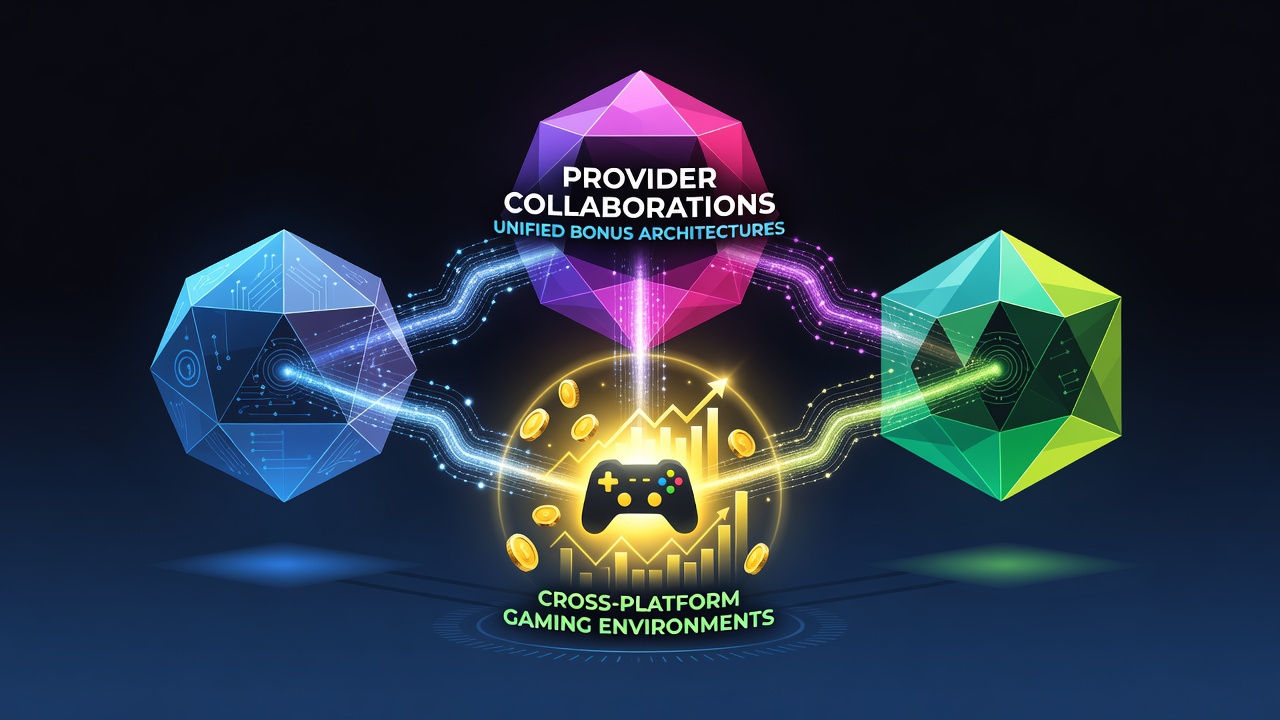
Collaborative Efforts Among Game Providers Reshaping Bonus Structures in Multi-Platform Gaming
Provider partnerships have accelerated the development of shared bonus frameworks that operate seamlessly across desktop, mobile, and live casino environments, and these arrangements allow operators to deliver consistent player experiences while managing technical complexity through coordinated backend systems. Data from industry monitoring services shows that such collaborations increased notably during the first half of 2026, with several major studios aligning their reward engines to support synchronized promotions and loyalty mechanics.
Technical Foundations of Unified Architectures
Multiple studios now pool resources to create standardized APIs that handle bonus triggers, eligibility checks, and payout calculations in real time, and this approach reduces duplication while ensuring that features such as deposit matches, free spin allocations, and tiered loyalty rewards function identically regardless of device or casino brand. Observers note that synchronization extends to jackpot networks as well, where cross-platform triggers activate collective prize pools without requiring separate coding for each integration point.
One case that drew attention involved three leading providers aligning their slot engines in preparation for summer platform updates, and the resulting architecture permitted operators to launch unified campaigns that carried player progress across multiple titles and venues. Research from academic gaming studies indicates that these shared systems lower latency issues during simultaneous play sessions, because verification calls route through a single authoritative ledger rather than competing databases.
Regulatory Context and June 2026 Developments
Regulatory bodies have begun reviewing how these collaborative models affect player protection standards, and the Nevada Gaming Control Board published updated compliance guidelines in June 2026 that address data sharing between partnered providers. Those guidelines require clear audit trails for bonus calculations while permitting the use of unified ledgers provided operators maintain independent oversight mechanisms.
Similar discussions have taken place in other jurisdictions, where agencies examine whether synchronized bonuses create new forms of cross-operator liability. Figures released by the Australian Communications and Media Authority in the same period revealed rising numbers of license applications that explicitly reference shared reward architectures, suggesting regulators are adapting approval processes to accommodate the trend.
Implementation Patterns Across Markets
Operators in North America and Europe have adopted different rollout strategies, yet both regions show increasing reliance on provider-led consortia to manage complexity. In North America, land-based and online entities frequently bundle their loyalty programs through these unified systems, allowing players to accumulate tier points from slots adn table games offered by multiple studios within a single ecosystem.

European markets have focused more on live casino integrations, where providers coordinate bonus triggers between RNG slots and streamed table games. This coordination supports promotional campaigns that span both verticals without fragmenting the player journey, and industry reports document measurable reductions in support tickets related to bonus discrepancies after such systems go live.
Challenges in Data Synchronization and Security
Despite the efficiencies, shared architectures introduce new security considerations around data transmission between partner systems. Providers must implement encryption standards and access controls that satisfy multiple regulatory frameworks simultaneously, and several consortia have formed technical working groups to establish common protocols. Those groups meet regularly to review threat models and update authentication procedures as new vulnerabilities emerge.
Take one research consortium that examined transaction volumes across unified bonus platforms in early 2026, and the analysis found that encrypted ledger handshakes reduced reconciliation errors by more than half compared with previous isolated implementations. The same study highlighted that operators still maintain separate compliance teams to verify that shared data handling meets jurisdiction-specific requirements.
Future Trajectory and Industry Coordination
Industry associations continue to track how these partnerships evolve, and participation in standards bodies has grown as more studios recognize the need for interoperable frameworks. Coordination now extends beyond bonuses to include responsible gaming tools, where unified systems can apply consistent spending limits and reality checks across all connected platforms.
What's interesting is that smaller providers have begun joining existing consortia rather than building standalone solutions, because the cost of maintaining independent cross-platform compatibility has risen sharply. This consolidation pattern suggests that unified bonus architectures will become a baseline expectation rather than a competitive differentiator in coming years.
Conclusion
Provider collaborations continue to drive the standardization of bonus systems that function across diverse gaming environments, and regulatory updates issued through June 2026 reflect growing institutional acceptance of these models. Observers expect further refinements in security protocols and data governance as adoption widens, while operators gain operational efficiencies from reduced duplication. The trajectory points toward increasingly interconnected prize ecosystems supported by coordinated technical standards developed through ongoing industry partnerships.