Cultural Motifs Reshaping Progressive Prize Pools in Digital Gaming Networks
Viktor Otto · May 18, 2026
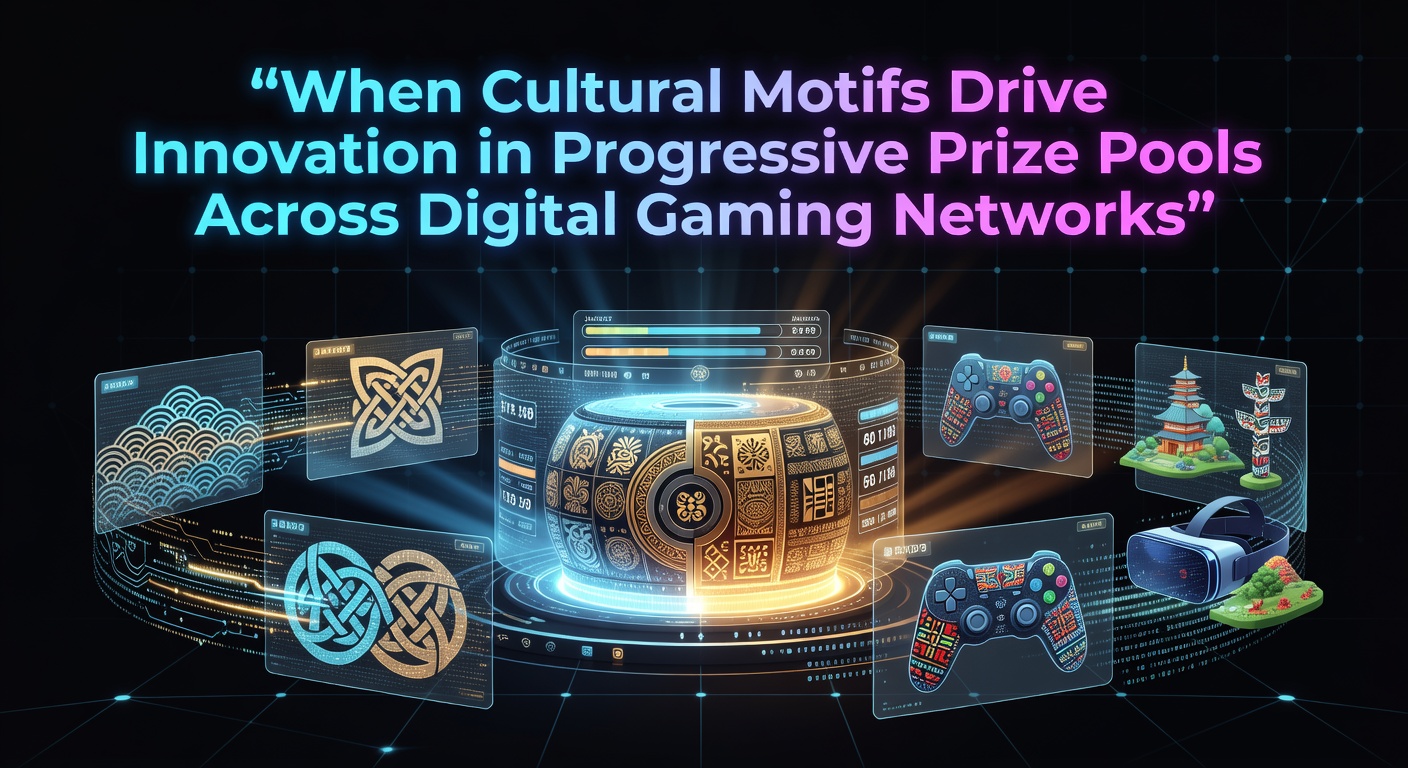
Cultural Motifs Reshaping Progressive Prize Pools in Digital Gaming Networks
Digital gaming networks have started incorporating cultural motifs into progressive prize pools, and this shift creates layered mechanics that tie jackpot growth to thematic elements drawn from global traditions. Developers link shared prize pools across platforms while embedding symbols, narratives, and structures inspired by specific cultural sources, which alters how contributions accumulate and how wins distribute among players.
Progressive Systems Meet Cultural Design
Progressive prize pools operate through interconnected servers that collect small percentages from each bet placed on linked games, and when cultural motifs enter the picture the contribution rules sometimes adjust to reflect narrative progressions such as seasonal cycles or ancestral journeys. Observers note that networks in regions with strong indigenous gaming regulations have tested these integrations since early 2025, with further expansions reported in May 2026 as new titles rolled out across multiple jurisdictions.
Data from industry monitoring groups shows that games featuring such motifs maintain higher average contribution rates because players engage longer with mechanics that mirror storytelling traditions rather than standard random triggers. Researchers at the University of Nevada Reno documented similar patterns in a 2024 analysis of networked slot systems, where thematic continuity correlated with steadier pool growth over multi-week periods.
Examples Across Regions and Networks
One network operating in North American markets introduced a progressive pool structured around Pacific Northwest indigenous crest symbols, where each tier of the jackpot corresponds to stages in a traditional transformation story. Players trigger bonus rounds that advance the narrative while simultaneously increasing the visible pool total, and contributions from different titles feed into the same communal reserve.
Similar approaches appear in titles influenced by West African Adinkra symbols, where geometric patterns determine multiplier paths that feed directly into the progressive total. European operators have begun licensing comparable frameworks that draw on Norse runic sequences, yet they route contributions through separate regulatory channels to comply with varying national standards.
These designs require careful calibration because each cultural element must map onto the underlying random number generator without disrupting fairness certifications. Gaming associations in Australia and Canada have published guidelines that address how thematic layers interact with pool mathematics, and operators reference those documents during compliance reviews.
Network Architecture and Pool Dynamics
Digital networks manage progressive pools through centralized ledgers that record every qualifying bet in real time, and cultural motifs often influence the weighting of contributions so that certain symbols accelerate pool growth more than others. This creates visible momentum during peak play hours when motif-aligned events occur, such as festival-themed weekends that temporarily boost contribution percentages.
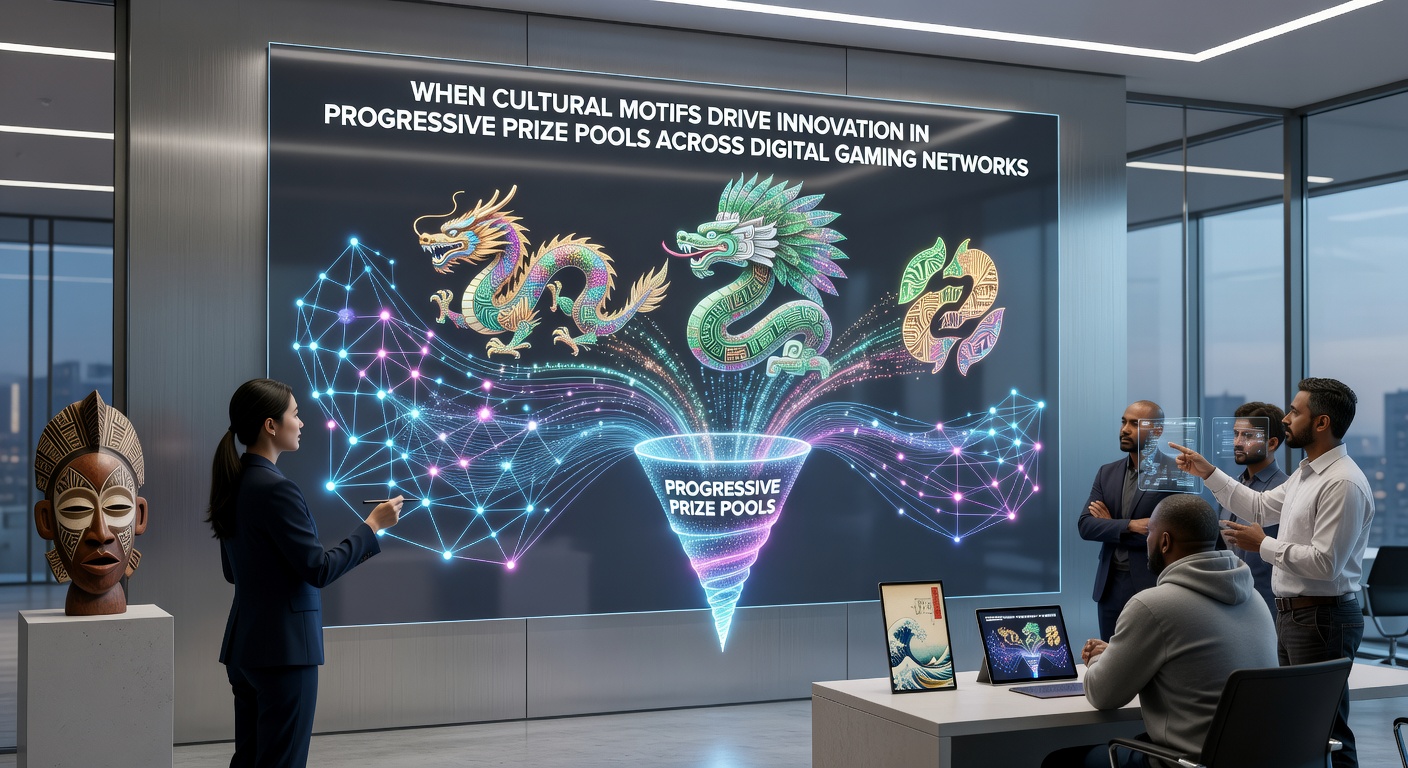
Operators track these fluctuations using dashboards that separate baseline contributions from motif-triggered surges, and the resulting data helps refine future integrations. Figures released by the New Jersey Division of Gaming Enforcement indicate that networks employing motif-driven weighting reported pool balances reaching target thresholds several days earlier than comparable non-themed systems during the first quarter of 2026.
Regulatory Considerations and Cross-Border Operations
Regulators in multiple jurisdictions examine how cultural elements affect prize disclosure and player information requirements. Australian authorities, for instance, require clear separation between thematic animations and actual pool calculations so that users understand which actions genuinely advance the jackpot. Canadian provincial bodies apply parallel standards that emphasize transparency when motifs reference indigenous knowledge systems.
Cross-border networks must reconcile these differing rules while maintaining a single progressive ledger, which leads to segmented contribution streams that still merge at the payout stage. Industry reports compiled by the World Lottery Association highlight successful cases where operators used modular code to isolate cultural mechanics from core pool algorithms, reducing audit times during licensing renewals.
Conclusion
Cultural motifs continue to influence how progressive prize pools function across digital gaming networks, and the technical adaptations that result reshape both contribution patterns and player interaction sequences. As of May 2026, multiple platforms have implemented these integrations while adhering to regional oversight frameworks that prioritize fairness and transparency. Ongoing documentation from academic and regulatory sources provides the measurements needed to evaluate long-term effects on pool sustainability and network performance.