Decoding the Architecture of Multi-Layered Reward Systems in Modern Gaming Applications
Clara Walter · Aug 17, 2026
Decoding the Architecture of Multi-Layered Reward Systems in Modern Gaming Applications
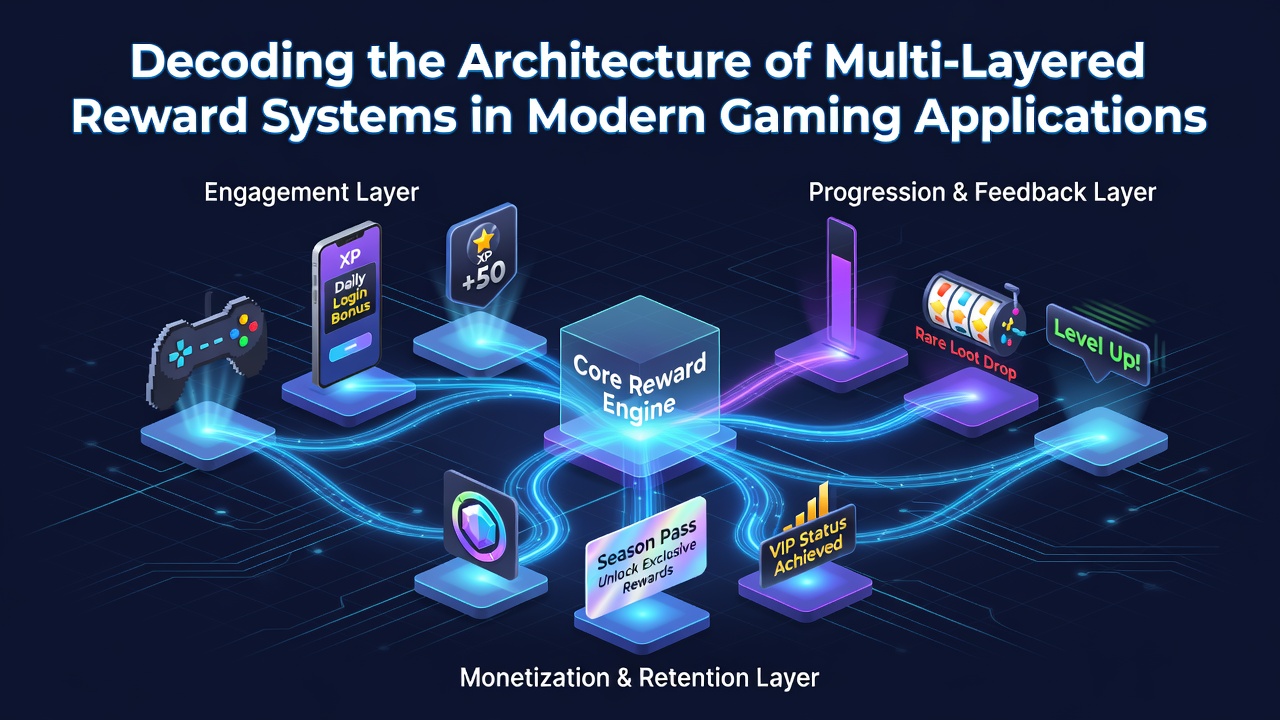
Modern gaming applications rely on intricate multi-layered reward systems that combine immediate feedback loops with long-term progression tracks, and developers design these frameworks to maintain player retention across mobile, console, and PC platforms. These systems often integrate points, badges, levels, and virtual currencies that interact through backend algorithms, while data collected from player behavior informs adjustments made in real time.
Core Elements That Form the Base Layer
At the foundation sit simple action-reward pairs such as experience points awarded for completing quests or daily logins, and these base mechanisms connect directly to achievement trackers that unlock cosmetic items or new game modes. Researchers at academic institutions have documented how these entry-level rewards trigger dopamine responses that encourage repeated sessions, yet the real complexity emerges when base rewards feed into higher tiers that require sustained activity over weeks or months.
Game studios frequently implement seasonal events that reset or expand these base layers, and reports from the Entertainment Software Association indicate that such timed content drops have become standard practice across major titles released since 2024. Players advance through these layers by accumulating resources that carry over into subsequent seasons, creating continuity even as new challenges appear.
Technical Architecture Behind the Layers
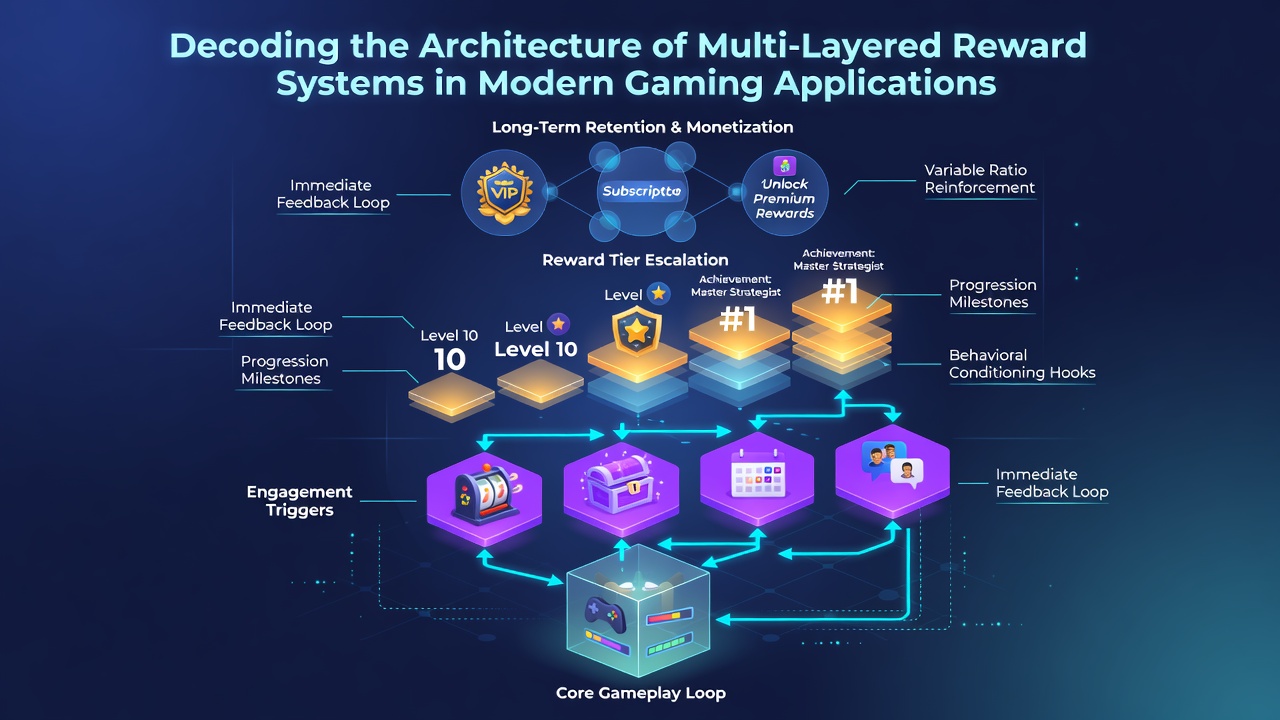
Backend servers manage the synchronization of multiple reward tracks through database schemas that separate short-term metrics from persistent player profiles, and this separation allows simultaneous updates without data conflicts. Developers use event-driven triggers that activate when certain thresholds are met, such as reaching a specific playtime total or completing a chain of related tasks, and these triggers then unlock the next layer automatically.
Cross-platform compatibility adds another dimension, since reward progress must transfer between devices without loss, and middleware solutions handle this by maintaining a centralized ledger that updates across all connected accounts. As of August 2026, several large publishers have expanded these synchronization protocols to include cloud-based saves that reduce discrepancies reported by users on mixed hardware setups.
Examples From Widely Played Titles
One popular battle royale game structures its progression around a battle pass that contains both free and premium tracks, with each level requiring a set amount of experience that players earn through matches and challenges, and this model has been adopted by numerous other studios since its introduction. Another mobile title layers daily login streaks on top of guild-based competitions where collective milestones unlock shared rewards, demonstrating how individual and group systems can operate in parallel without interference.
Studies published by university research groups have examined retention rates in games that employ four or more distinct reward layers, and the findings show measurable increases in session length when progression feels continuous rather than segmented. Observers note that successful implementations avoid making any single layer feel mandatory, instead presenting optional paths that still contribute to overall advancement.
Integration With Live Service Updates
Live service games receive regular patches that introduce new reward layers or modify existing ones based on aggregate player data, and this iterative approach keeps systems responsive to shifting engagement patterns. Developers monitor metrics such as completion rates for specific challenges and adjust difficulty or reward values accordingly, while maintaining transparency through patch notes that explain the changes.
Industry organizations in regions including North America and the Asia-Pacific have compiled reports on how these updates affect long-term player bases, and the data reveals that balanced layering correlates with lower churn compared to flat reward structures. Companies that coordinate reward rollouts across multiple titles within the same franchise often see compounding effects, where progress in one game influences rewards in another.
Conclusion
Multi-layered reward systems in modern gaming applications continue to evolve through technical refinements and player feedback integration, and the architecture supporting them now spans databases, real-time analytics, and cross-device synchronization tools. As new titles launch and existing platforms receive updates, these frameworks adapt to maintain engagement while balancing accessibility with depth, and industry reports from sources such as the Australian Interactive Games Association provide ongoing insights into their measurable outcomes across global markets.