How Payment Infrastructure Influences Tiered Reward Structures in Slot and Live Dealer Networks
Iris Krause · Jul 25, 2026
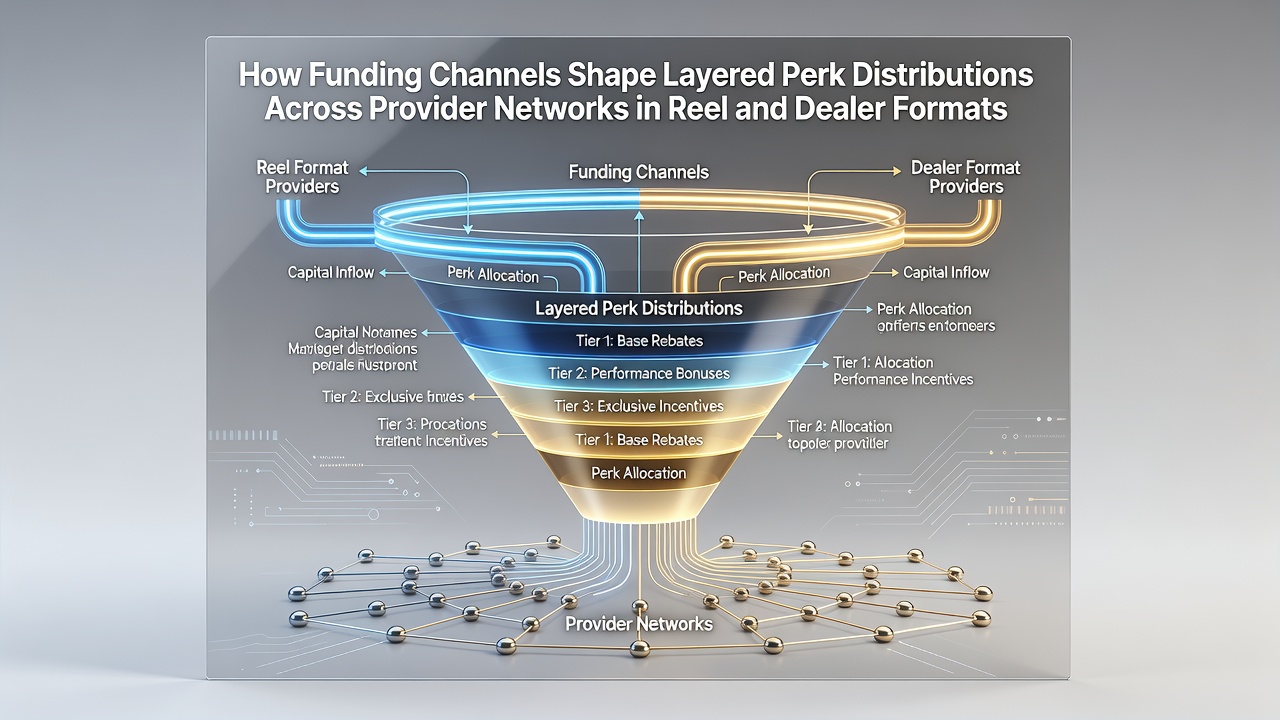
How Payment Infrastructure Influences Tiered Reward Structures in Slot and Live Dealer Networks
Payment methods and settlement systems determine how bonuses, loyalty points, and VIP escalations reach players in both reel-based slots and live dealer environments, and industry data tracks these patterns through transaction logs and provider reports. Funding channels such as credit cards, e-wallets, bank transfers, and cryptocurrency options carry different processing speeds, fees, and verification requirements that operators map directly onto reward tiers, which means faster channels often unlock immediate bonus credits while slower ones route players into delayed or conditional perk ladders.
Core Mechanics of Funding Channels in Gaming Ecosystems
Reel formats rely on automated systems that credit deposits instantly to trigger spin multipliers or free round allocations, yet dealer formats incorporate human oversight during live sessions so funding pathways must align with session pacing and table minimums. Observers note that providers segment networks by channel type, assigning higher multiplier values to direct bank feeds in reel games while routing e-wallet inflows toward dealer-side cashback structures that accumulate across multiple tables. In July 2026 several multi-state operators adjusted their internal ledgers to reflect new interchange fee schedules, which shifted the weight of certain perk layers toward channels with lower merchant fees and thereby altered how quickly players advanced through provider-specific VIP frameworks.
Reel Format Distributions and Channel Dependencies
Slot networks process the bulk of volume through instant funding routes, and data shows that players using debit-linked options receive tiered free spin packages calibrated to deposit velocity rather than total volume alone. Providers embed these rules in backend algorithms so that a single high-velocity channel can unlock cross-game multipliers unavailable through slower batch settlements. Studies from regulatory filings indicate that reel ecosystems favor channels with real-time confirmation because delayed funding interrupts bonus trigger windows, which forces operators to maintain parallel perk queues that activate only after settlement clears.
Dealer Format Adjustments
Live dealer environments layer rewards around table presence and betting continuity, which means funding channels must support repeated micro-transactions without interrupting stream quality. Those who have examined provider dashboards report that e-wallet inflows often feed into dealer-specific loyalty ladders that grant table-side comps, whereas card-based deposits route toward broader network credits redeemable across both formats. The distinction arises because dealer sessions generate session-based metadata that funding systems must parse before releasing progressive acknowledgment benefits.
Cross-Network Layering Patterns
Provider networks maintain unified player profiles yet apply channel-specific filters that separate reel and dealer reward streams until the final distribution stage. Figures from industry reports reveal that hybrid players who alternate between formats see their perk accumulation split according to the dominant funding method used in each session type, which creates staggered advancement rates across the overall tier structure. What's interesting is how certain channels receive priority weighting in one format while receiving neutral treatment in the other, producing asymmetric climb speeds that only surface in aggregated analytics.
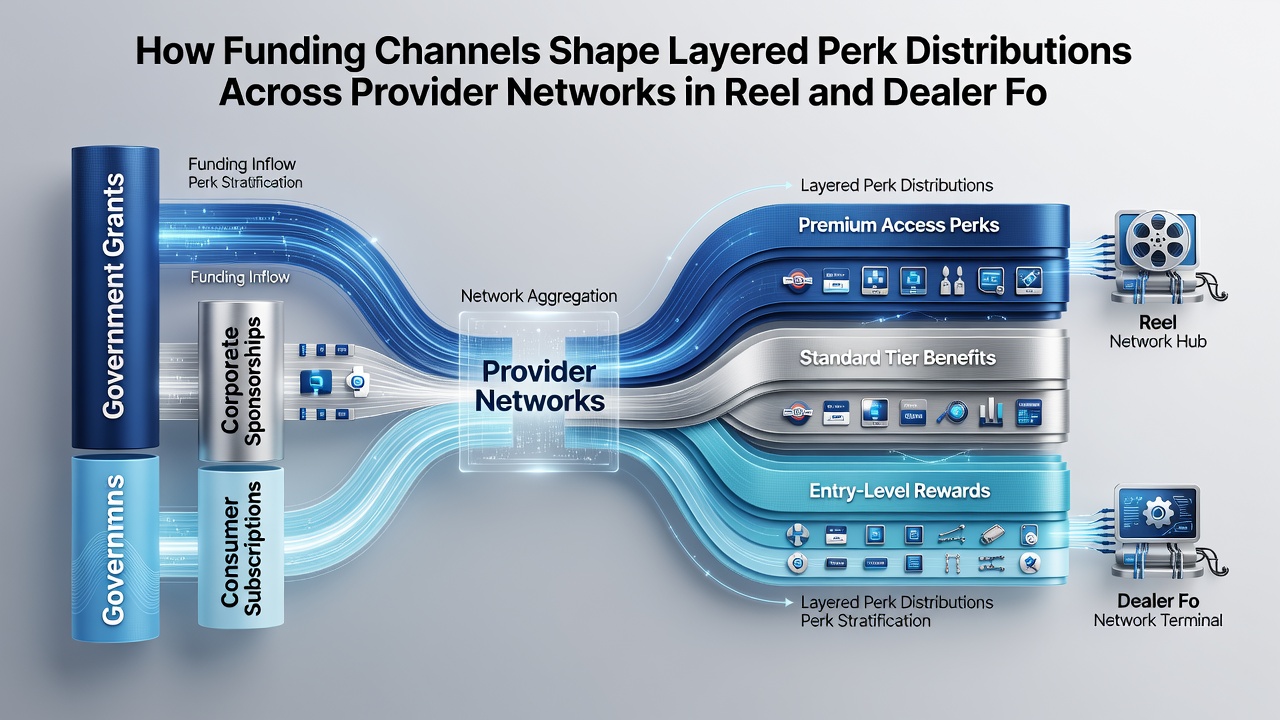
Take one operator group that synchronized its reward engine in early 2026 so that cryptocurrency deposits bypassed standard verification holds in reel play but still encountered standard holds when applied to dealer tables. This adjustment produced measurable shifts in how quickly players reached mid-tier status depending on format preference and chosen channel.
Regulatory and Operational Data Points
According to records maintained by the Nevada Gaming Control Board, transaction channel reporting requirements expanded in 2025 to capture how funding routes correlate with bonus redemption rates across both slot and table offerings. Parallel documentation from the Victorian Commission for Gambling and Liquor Regulation tracks similar metrics and shows that operators in that jurisdiction apply distinct weighting formulas when converting deposit velocity into dealer-side acknowledgment credits. These separate regulatory streams feed into provider network standards that now treat funding channel as a primary variable in tier calculation engines.
Implementation Across Provider Platforms
Platform architects embed channel identifiers into every transaction record so that downstream systems can apply format-specific multipliers without manual intervention. Reel networks often prioritize speed and therefore assign instant channels to the uppermost perk strata, while dealer networks balance speed against session integrity and therefore distribute certain channels across multiple acknowledgment layers. Providers that operate both formats maintain mapping tables that reconcile these differences before final reward issuance, which prevents double-counting yet preserves the distinct incentive logic of each environment.
Conclusion
Transaction pathways continue to serve as the primary determinant of how layered perks distribute across reel and dealer provider networks because each channel carries measurable attributes that operators translate into tier eligibility and reward magnitude. Data collected through regulatory channels and internal provider systems demonstrates consistent segmentation patterns that differentiate instant from batch funding while preserving format-specific reward logic. As settlement technologies evolve, these mappings will likely refine further, yet the underlying dependence on funding channel characteristics remains the structural constant that shapes player progression in both environments.