Licensing Frameworks Across Regions Reshaping Progressive Prize Systems in Portable Gaming Software
Carlo Koch · Aug 24, 2026
Licensing Frameworks Across Regions Reshaping Progressive Prize Systems in Portable Gaming Software
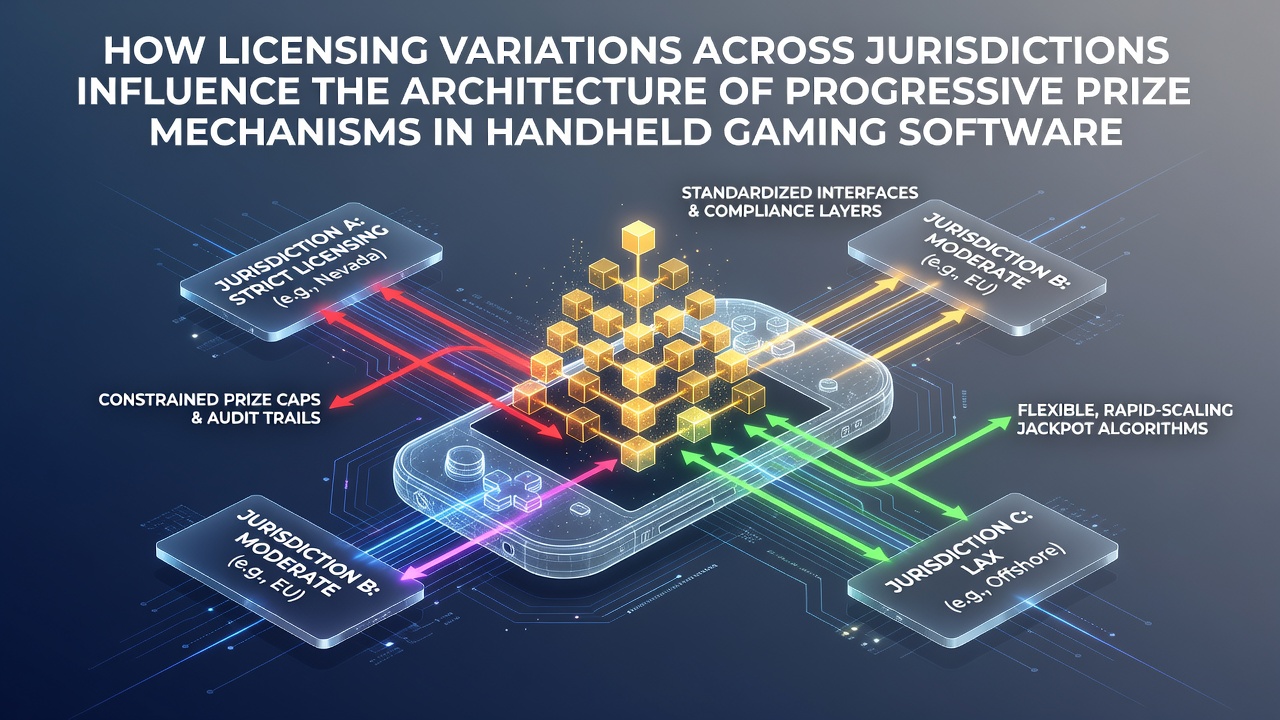
Progressive prize mechanisms in handheld gaming software adapt to licensing rules that differ sharply between jurisdictions, and developers configure jackpot engines with modular contribution rates, separate pool allocations, and compliance triggers to meet each set of requirements. Regulatory bodies in the United States, Australia, and several European states impose distinct conditions on how operators accumulate and distribute pooled prizes, which leads software architects to embed jurisdiction-specific logic directly into the code base.
Data from the Nevada Gaming Control Board shows that land-based and mobile progressive systems must maintain isolated contribution streams when games cross state lines, and this rule forces handheld platforms to segment player bases at the server level before any jackpot calculation begins. Similar restrictions appear in other markets where licensing agreements limit cross-border pooling, and programmers respond by building dynamic flags that detect user location and route bets to the correct prize pool.
Core Technical Adjustments Driven by License Conditions
Architects incorporate real-time geolocation checks and regulatory lookup tables that adjust jackpot increment percentages on the fly, because a single game binary often serves multiple licensed operators. In jurisdictions requiring a minimum contribution floor, the software enforces that threshold automatically, while regions with upper caps on operator rake trigger reduced increments once revenue thresholds are reached. These adjustments occur within the same mobile application without requiring separate builds for each market.
Researchers at the University of Nevada, Reno documented how progressive systems in handheld devices now rely on containerized microservices that activate or deactivate based on the active license profile, and this approach reduces the risk of non-compliance when players move between regulatory zones. The architecture stores historical contribution data in partitioned databases so that audit trails remain jurisdiction-specific even when the underlying game engine remains shared.
Regional Examples of Architectural Impact
Operators licensed under the Alcohol and Gaming Commission of Ontario must isolate progressive contributions from those collected under New Jersey Division of Gaming Enforcement rules, and software teams therefore maintain parallel jackpot ledgers that reconcile at the end of each reporting period. Australian Communications and Media Authority guidelines further require that any progressive prize advertised to players must reflect only contributions from eligible Australian accounts, prompting developers to add filtering layers that exclude international traffic from local pools.
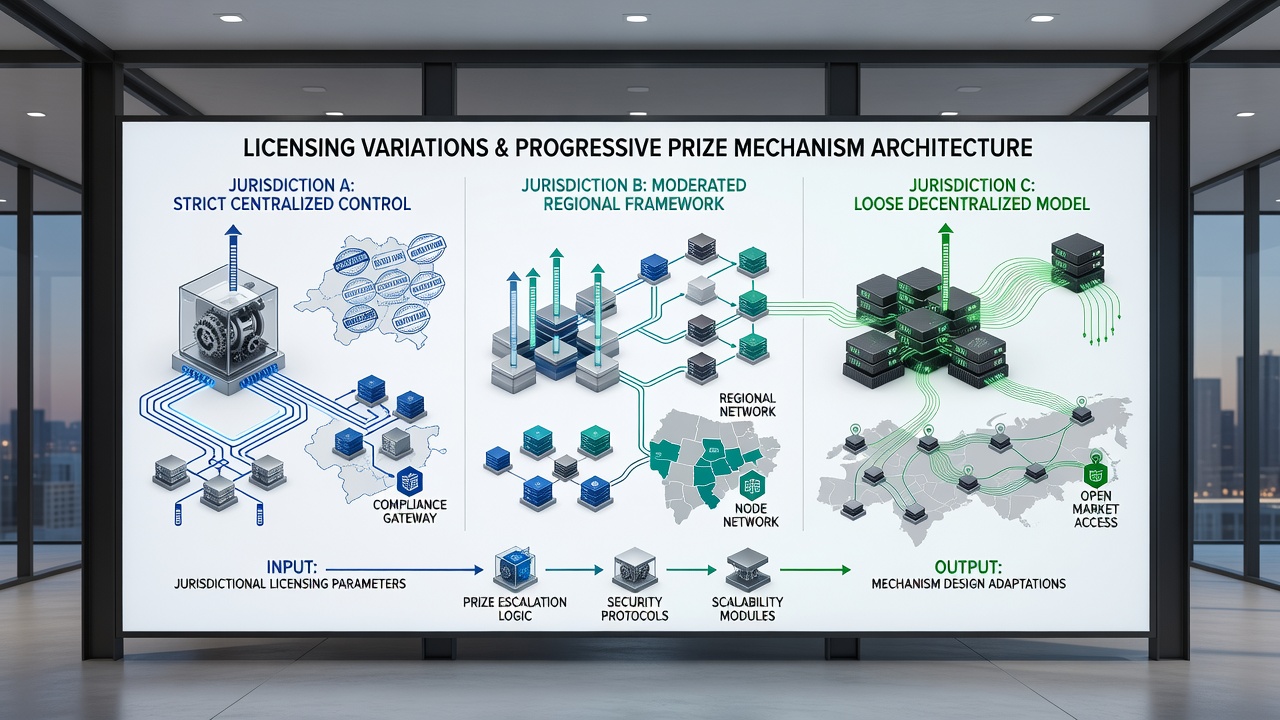
European markets introduce additional complexity through varying tax treatments on prize contributions, and handheld gaming platforms adjust the displayed jackpot amount after tax deductions according to the player's registered jurisdiction. In August 2026 several Canadian provinces updated their technical standards to require explicit disclosure of contribution sources within the game interface, and providers responded by adding on-screen meters that update in real time based on the active license parameters.
Software Design Patterns for Compliance
Developers employ feature toggles and configuration files that load jurisdiction-specific rules at runtime rather than hard-coding values, because this method allows rapid adaptation when regulators revise license terms. The same approach supports A/B testing of jackpot growth curves within permitted ranges without affecting non-compliant regions. Industry reports from the International Association of Gaming Regulators indicate that such flexible architectures have become standard among major handheld gaming suppliers since 2024.
Payment and prize distribution modules also contain license-aware logic that routes winnings through approved channels only, and these modules integrate with the progressive engine so that any payout respects both the prize rules and the financial licensing conditions of the operating jurisdiction. When a player qualifies for a progressive award, the system validates the claim against the original contribution pool before authorizing transfer.
Conclusion
Licensing variations continue to drive ongoing refinement of progressive prize architectures in handheld gaming software, and providers maintain layered compliance systems that isolate pools, adjust increments, and route transactions according to each regulator's specifications. The resulting designs allow a single codebase to serve diverse markets while preserving the integrity of each jurisdiction's prize mechanisms.