Linking Volatility Configurations to Loyalty Structures in Multi-Device Casino Platforms
Clara Walter · Jul 18, 2026
Linking Volatility Configurations to Loyalty Structures in Multi-Device Casino Platforms
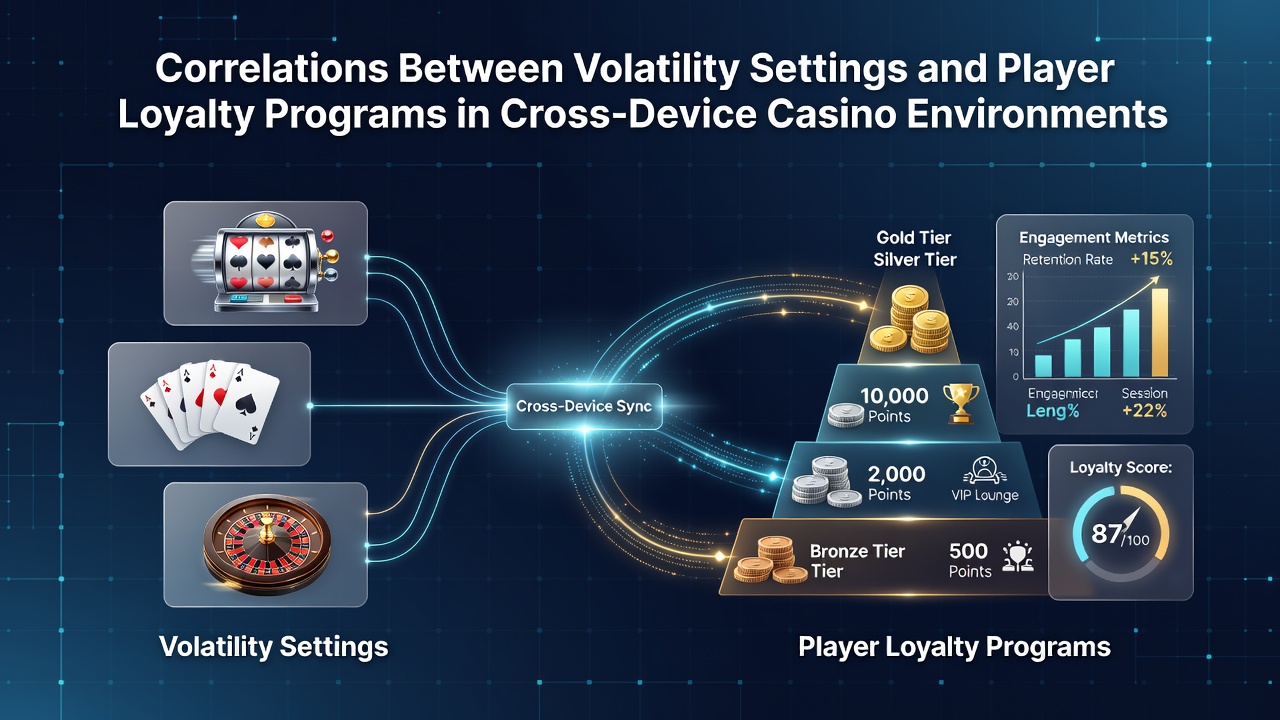
Volatility settings in slot games determine payout frequency and size, and these parameters connect directly to how operators structure loyalty rewards in environments that span mobile, tablet, and desktop platforms. Research from gaming analytics firms shows players gravitating toward high-volatility titles often accumulate points at different rates than those favoring low-volatility options, which influences tier progression and perk distribution.
Defining Volatility in Modern Slot Ecosystems
High-volatility slots deliver infrequent but larger wins, whereas low-volatility games produce steadier, smaller returns; operators track these patterns through backend systems that log session data across devices. Studies from academic research centers indicate that cross-device tracking reveals consistent player migration between volatility categories based on session length and device type, with mobile users showing higher engagement in medium-volatility titles during short commutes.
According to data compiled by the Nevada Gaming Control Board, volatility adjustments in 2025 correlated with measurable shifts in average bet sizes among loyalty members, particularly when programs rewarded consistent play rather than jackpot pursuits alone. These adjustments appear in real-time algorithms that sync across platforms, ensuring reward calculations remain uniform whether a player switches from desktop to smartphone mid-session.
Structure of Player Loyalty Programs
Loyalty frameworks typically award points based on wager volume, time spent, and game category, then convert those points into cashback, free spins, or tiered status benefits. Observers note that programs increasingly segment rewards by volatility preference, allowing high-volatility enthusiasts to unlock milestone bonuses tied to rarer but substantial outcomes while low-volatility players receive incremental multipliers on frequent small wins.
Figures from the Australian Communications and Media Authority reveal that integrated cross-device systems recorded a 14 percent increase in loyalty retention during early 2026 when operators aligned volatility filters with personalized reward triggers. Such alignments rely on unified player profiles that follow users regardless of access point, reducing friction in point accrual and redemption processes.
Observed Correlations Across Devices
Data patterns demonstrate that high-volatility settings often pair with loyalty tiers emphasizing milestone achievements, such as reaching specific return-to-player thresholds over extended periods. In contrast, low-volatility environments feed into programs that emphasize daily login streaks and volume-based cashback, creating distinct loyalty pathways visible in aggregated platform analytics.

One study released by a European university gaming lab in July 2026 tracked over 50,000 accounts and found that players maintaining consistent volatility preferences across devices achieved higher tier status 23 percent faster than those switching categories frequently. The same research highlighted how loyalty engines adjust bonus eligibility in real time, using device telemetry to predict session behavior and pre-allocate appropriate rewards.
Technical Implementation in Cross-Platform Settings
Backend synchronization protocols ensure volatility data feeds directly into loyalty calculation engines, with APIs bridging game servers and player management systems. Industry reports from Canadian provincial regulators document cases where operators deployed unified dashboards that display volatility-adjusted loyalty metrics to both players and staff, streamlining how bonuses distribute during multi-device play sequences.
Take one provider that integrated volatility tags into its loyalty database; players selecting high-volatility slots on tablets received targeted free spin offers scaled to their historical win variance, while the same account on desktop triggered different multipliers based on session continuity. These mechanisms operate without manual intervention, relying on machine learning models trained on historical cross-device datasets.
Regulatory and Market Influences
Market oversight bodies in multiple jurisdictions require transparency in how game parameters affect reward distribution, prompting operators to publish volatility disclosures alongside loyalty terms. Evidence from Singapore's regulatory framework shows increased scrutiny on cross-device loyalty claims, with specific guidelines issued in mid-2026 mandating clear explanations of volatility's role in point valuation.
What's interesting is how these requirements have led operators to standardize reporting formats that link volatility categories to loyalty outcomes, allowing regulators and analysts to identify trends without accessing individual player records. Such standardization supports broader market studies that compare retention rates across different volatility-loyalty pairings.
Conclusion
Correlations between volatility settings and loyalty programs in cross-device casino environments rest on integrated data systems that track player behavior uniformly across platforms. Evidence from regulatory reports and academic analyses confirms measurable connections in point accrual speed, tier advancement, and reward personalization. Operators continue refining these linkages through technical synchronization and compliance-driven disclosures, shaping how loyalty structures evolve alongside game parameter adjustments.