Payment Systems Powering Layered Rewards and VIP Advances in Slot Ecosystems
Alex Brooks · Aug 12, 2026
Payment Systems Powering Layered Rewards and VIP Advances in Slot Ecosystems
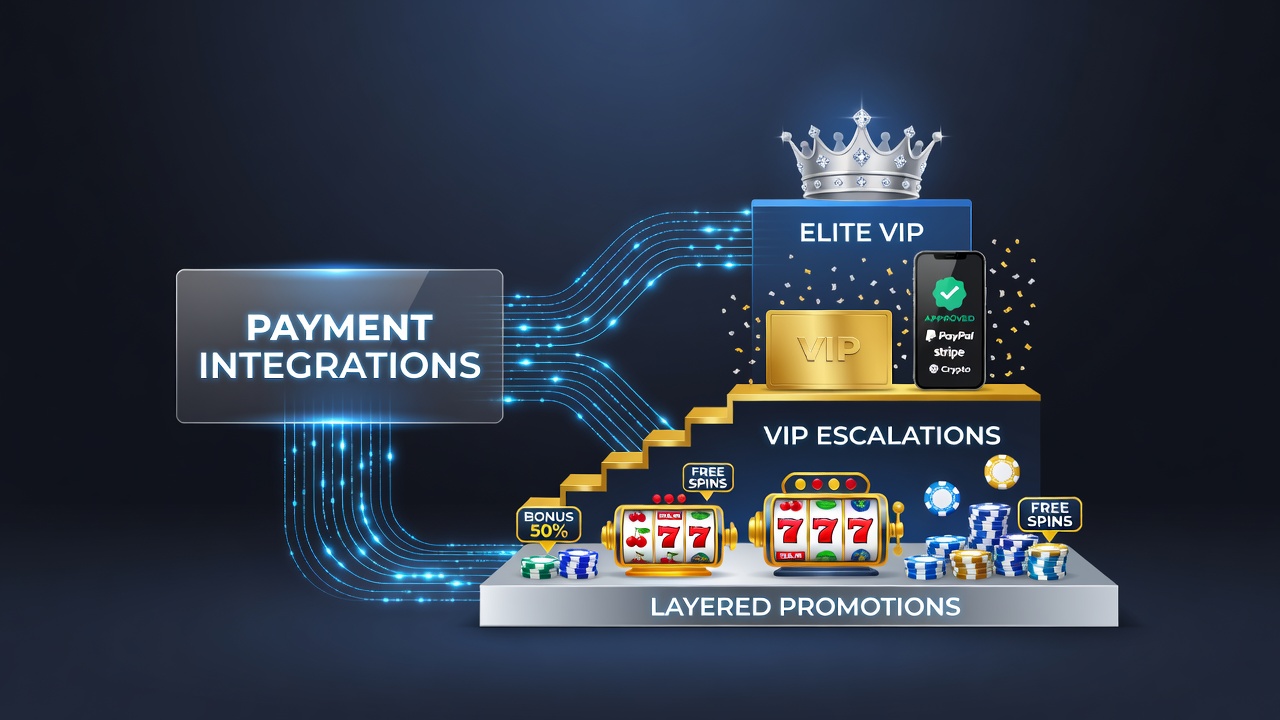
Payment integrations sit at the core of how slot platforms structure rewards and move players through loyalty tiers, with transaction speed and method selection directly shaping which promotions activate and how quickly status escalates. Platforms connect banking rails, digital wallets, and card processors to backend systems that track spend velocity, deposit frequency, and withdrawal patterns, then translate those signals into tiered offers such as reload multipliers, free-spin bundles, and cashback percentages that stack according to cumulative activity.
Mechanics Linking Transactions to Promotion Layers
Operators configure rules engines so that certain payment rails unlock specific promotional bands immediately upon settlement. A player routing funds through instant bank transfers might receive an elevated deposit match that compounds with ongoing play, whereas slower card authorizations trigger a baseline offer only after verification clears. These conditional triggers create the layered structure where one completed deposit satisfies eligibility for the next reward bracket, and repeated use of preferred methods accelerates accumulation toward higher-value incentives.
Data from regulatory filings shows operators in regulated markets have expanded these conditional rulesets during 2025 and into 2026, allowing payment metadata to feed directly into promotion engines without manual intervention. The result appears in real time as players see updated bonus wallets and pending rewards displayed alongside account balances.
VIP Escalation Through Transaction Velocity
VIP ladders advance when payment integrations supply granular metrics on deposit consistency and volume. Systems record not only total amounts but also time-between-transactions, method diversity, and average ticket size, then map those values against tier thresholds that unlock dedicated account managers, higher withdrawal limits, and exclusive event access. Faster settlement rails reduce friction in this tracking process, letting points post within minutes rather than days and enabling players to cross into new tiers during the same session.
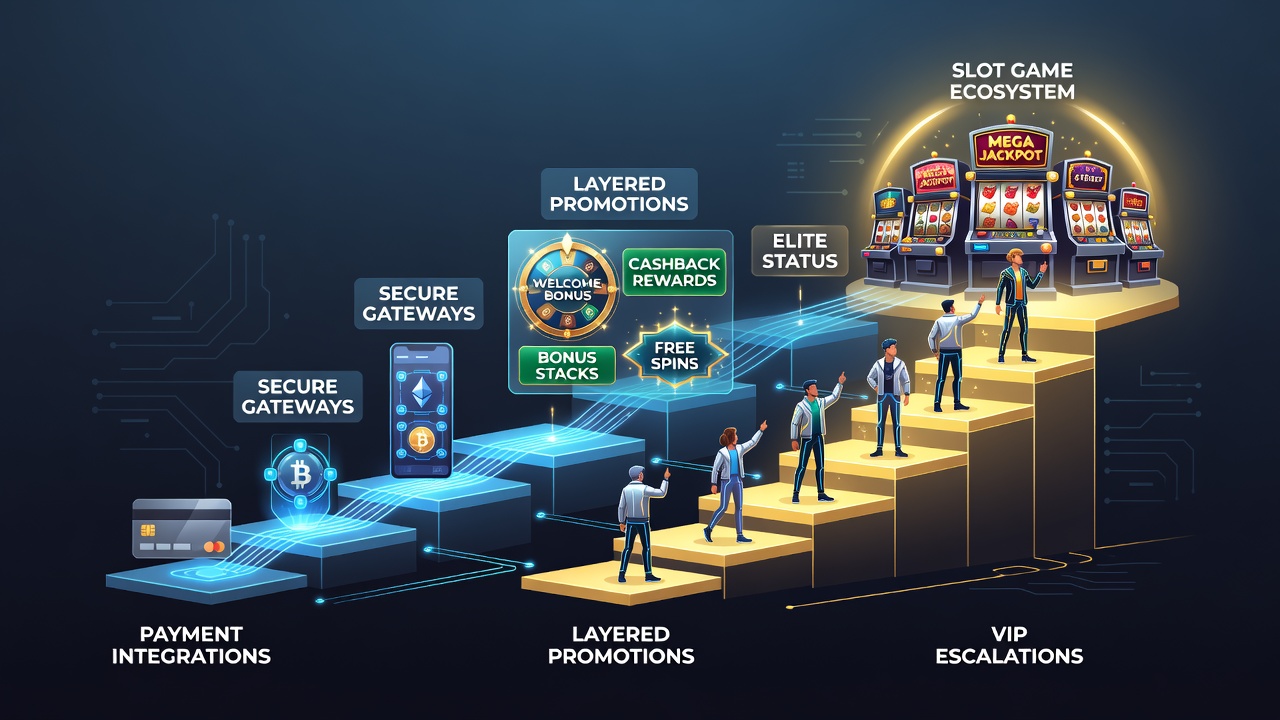
Industry reports indicate that platforms integrating multiple regional payment providers have observed measurable increases in tier-migration rates, particularly when cross-border options reduce processing delays. Observers note that players maintaining steady deposit patterns through verified methods reach elite status faster than those relying on single slower channels.
August 2026 Developments in Regulated Markets
In August 2026 several North American and European jurisdictions updated compliance frameworks governing payment-linked promotions, requiring clearer disclosure of how transaction data influences reward eligibility. Regulators in Ontario and New Jersey issued revised technical standards that mandate audit trails linking each promotional layer to specific payment events. These updates have prompted providers to refine their integration layers so that VIP escalations remain transparent while still responding dynamically to player behavior.
According to figures released by the iGaming Ontario oversight body, transaction-linked loyalty programs accounted for a growing share of player engagement metrics during the first half of the year. Similar patterns appear in data shared by Australian state regulators tracking digital gaming activity.
Cross-Platform Triggers and Reward Stacking
Modern integrations extend beyond single-site activity by connecting payment histories across affiliated slot networks. A deposit made on one platform can satisfy eligibility criteria on another when unified player profiles and shared wallet systems are in place. This interconnection allows layered promotions to span multiple environments, with VIP points earned on one site contributing toward tier advancement on others. Providers achieve this through standardized APIs that pass transaction metadata while preserving jurisdictional compliance boundaries.
Those who have examined provider case studies observe that reward stacking becomes more sophisticated when payment method preferences are factored into the rules. High-velocity methods such as certain e-wallets may carry multiplier coefficients that amplify both promotional value and point accrual rates.
Conclusion
Payment integrations continue to serve as the operational backbone for layered promotions and VIP movement in slot ecosystems, with transaction data directly informing eligibility, stacking potential, and tier progression. As regulatory environments evolve through 2026, the technical connections between banking rails and loyalty engines are expected to grow more precise while remaining subject to increasing transparency requirements across multiple regions.