Provider Advances in Connecting Spin Features Directly to Loyalty Tracking on Mobile Devices
Viktor Otto · Aug 3, 2026
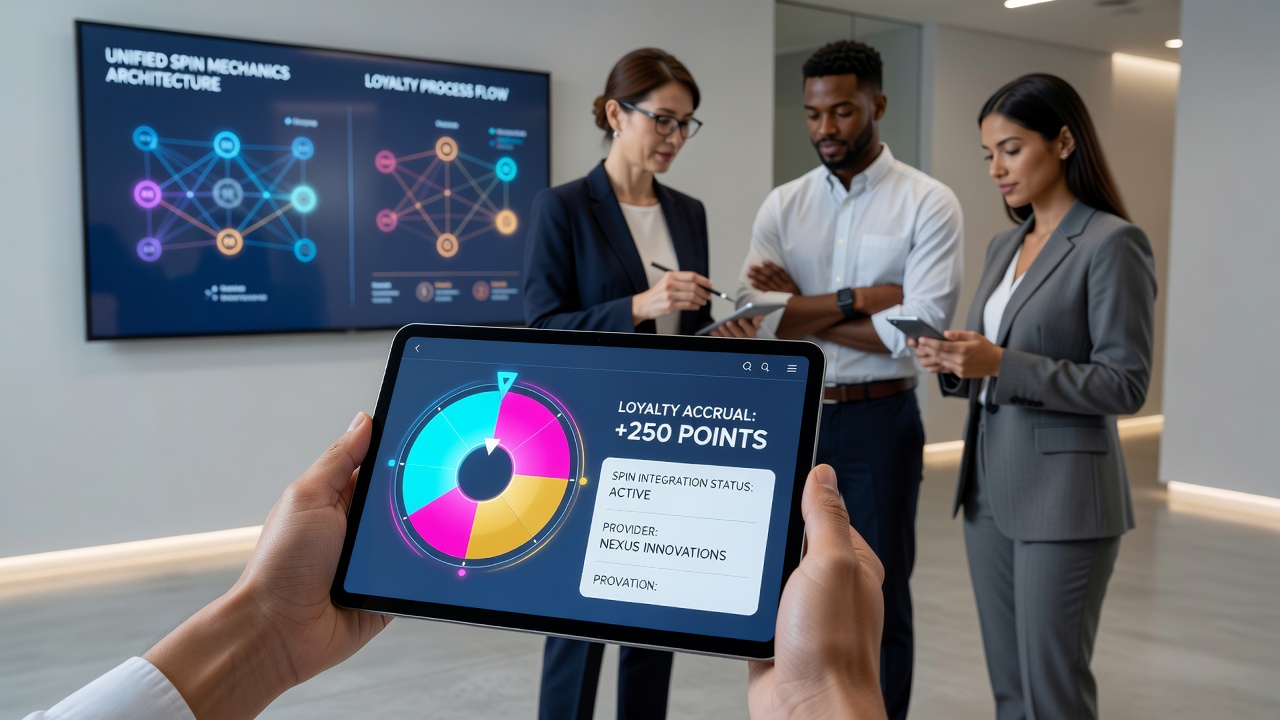
Provider Advances in Connecting Spin Features Directly to Loyalty Tracking on Mobile Devices
Game providers have developed specialized systems that link spin outcomes in slot titles to loyalty point calculations on handheld devices, and these connections allow real-time accrual while players remain engaged with mobile applications across various platforms.
Core Elements of Spin and Loyalty Integration
Spin mechanics refer to the random number generator processes that determine reel results in digital slot games, whereas loyalty accrual involves the assignment of reward points based on player activity levels, and providers now embed algorithms that trigger point additions immediately after each spin completes its cycle on smartphones and tablets. Data from industry analyses indicate that such unification reduces latency in point updates, and operators report higher retention rates when these processes operate without separate menu navigation or app switches.
Those who have examined provider documentation note that handheld device constraints such as battery usage and network variability require optimized code that performs calculations locally before syncing with central servers, and this approach prevents data loss during connectivity interruptions common in mobile environments.
Specific Provider Methods and Technical Choices
Individual providers implement distinct protocols for merging these functions, with some embedding loyalty multipliers directly into bonus round triggers while others calculate points through cumulative spin counts tracked via device sensors, and evidence from technical reviews shows variations in how each system handles high-volume spin sessions without draining device resources. One provider deploys a unified engine that processes both visual reel animations and point ledgers in a single thread, whereas another separates these tasks across parallel modules to improve stability on older handheld models.
Researchers have documented cases where providers incorporate geolocation data from mobile devices to adjust loyalty accrual rates based on regional regulations, and this customization maintains compliance while delivering consistent player experiences across jurisdictions. Figures from system audits reveal that synchronization occurs at sub-second intervals, and such speeds support fluid gameplay that feels uninterrupted to users.
Implementation Patterns Observed in August 2026
By August 2026 providers had rolled out updates that further refined these integrations on popular handheld operating systems, and reports from multiple operators confirm that spin-to-loyalty pipelines now include adaptive scaling for different screen sizes and processor speeds. Industry organizations tracking these developments note that cross-provider standards remain limited, which leaves each company to refine its own architecture according to internal priorities and hardware partnerships.
Observers note that certain providers test these features through limited device fleets before wider release, and the results guide adjustments to loyalty algorithms that respond to player behavior patterns detected during extended mobile sessions. Data indicates continued focus on reducing server calls, which lowers operational costs while preserving point accuracy on consumer handhelds.

Regulatory and Industry Data Influences
Regulatory bodies in regions such as Nevada and Australia have issued guidelines that touch on data handling within these unified systems, and providers adjust their spin-to-loyalty code accordingly to meet reporting requirements on player activity. A Nevada Gaming Control Board report from mid-2026 highlights increased scrutiny on real-time point tracking accuracy, whereas Australian authorities emphasize transparency in how mobile device data feeds into loyalty calculations.
Academic studies from research institutions in Canada have explored the computational load these integrations place on handheld hardware, and findings suggest that efficient code design can maintain performance levels even during prolonged play periods. Trade groups compile statistics showing adoption rates among major providers, and these numbers illustrate steady movement toward tighter coupling of mechanics and rewards.
Future Directions in Device-Based Systems
Providers continue to explore enhancements such as machine learning models that predict optimal loyalty reward timing based on individual spin histories collected from handheld devices, and early implementations appear in select applications released during 2026. Technical partnerships with device manufacturers allow deeper access to hardware features that support faster point processing without additional battery strain.
Those tracking industry shifts report that unification efforts now extend to multi-game ecosystems where spins from different titles contribute to a shared loyalty pool accessible on the same mobile interface, and this consolidation simplifies player tracking across provider portfolios. Evidence from deployment logs shows reduced support tickets related to point discrepancies after these systems stabilize.
Conclusion
Provider innovations in unifying spin mechanics with loyalty accrual on handheld devices continue to evolve through targeted technical refinements and compliance adaptations, and available data from regulatory sources along with industry reports demonstrate measurable impacts on system performance and player engagement metrics. These developments remain provider-specific yet share common goals of seamless mobile operation and accurate reward delivery.