Secure Payment Gateways and Their Influence on VIP Tier Development in Provider Networks
Iris Krause · Jul 20, 2026
Secure Payment Gateways and Their Influence on VIP Tier Development in Provider Networks
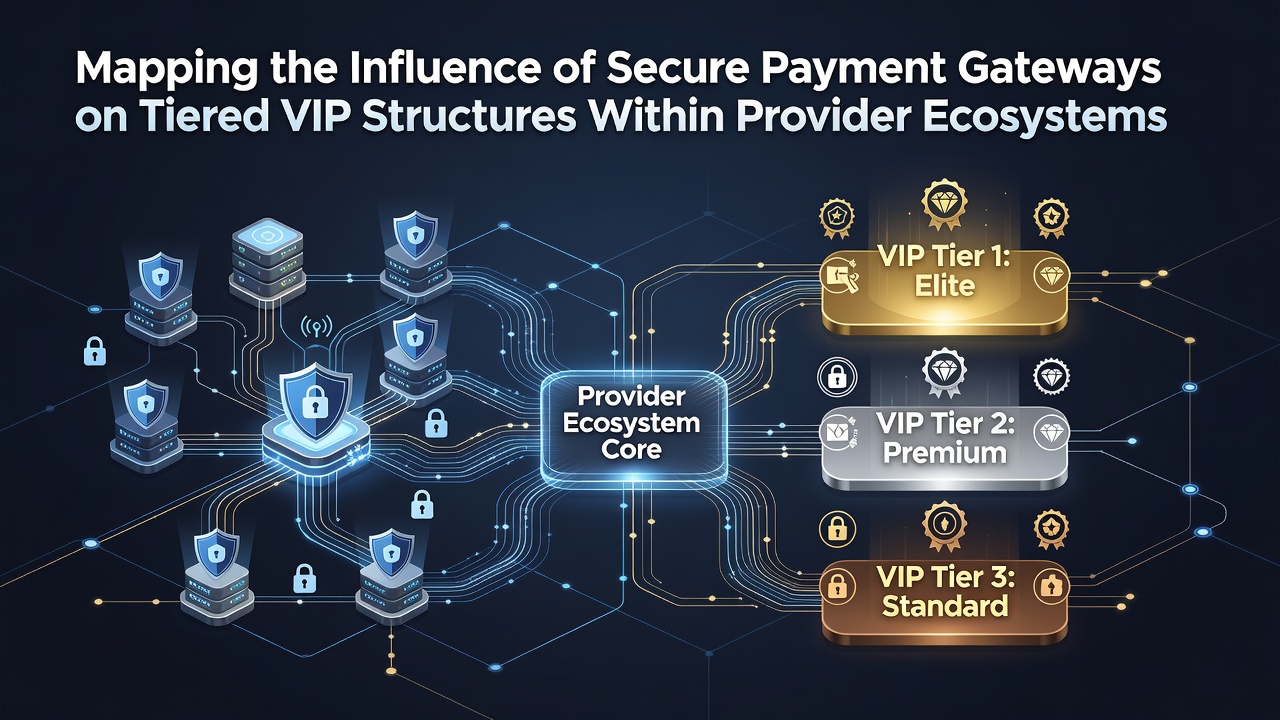
Payment gateways equipped with advanced encryption protocols and compliance standards shape how gaming providers construct and manage tiered VIP structures across their ecosystems, and data from regulatory filings indicates that secure transaction pathways directly affect deposit tracking, fraud mitigation, and reward allocation mechanisms used to determine player progression through loyalty levels.
Providers rely on gateways that meet PCI-DSS requirements to process high-volume deposits without exposing sensitive information, which in turn allows automated systems to log cumulative spending accurately and assign players to bronze, silver, gold, or platinum tiers based on verified activity rather than manual reviews.
Integration Patterns Across Multi-Provider Platforms
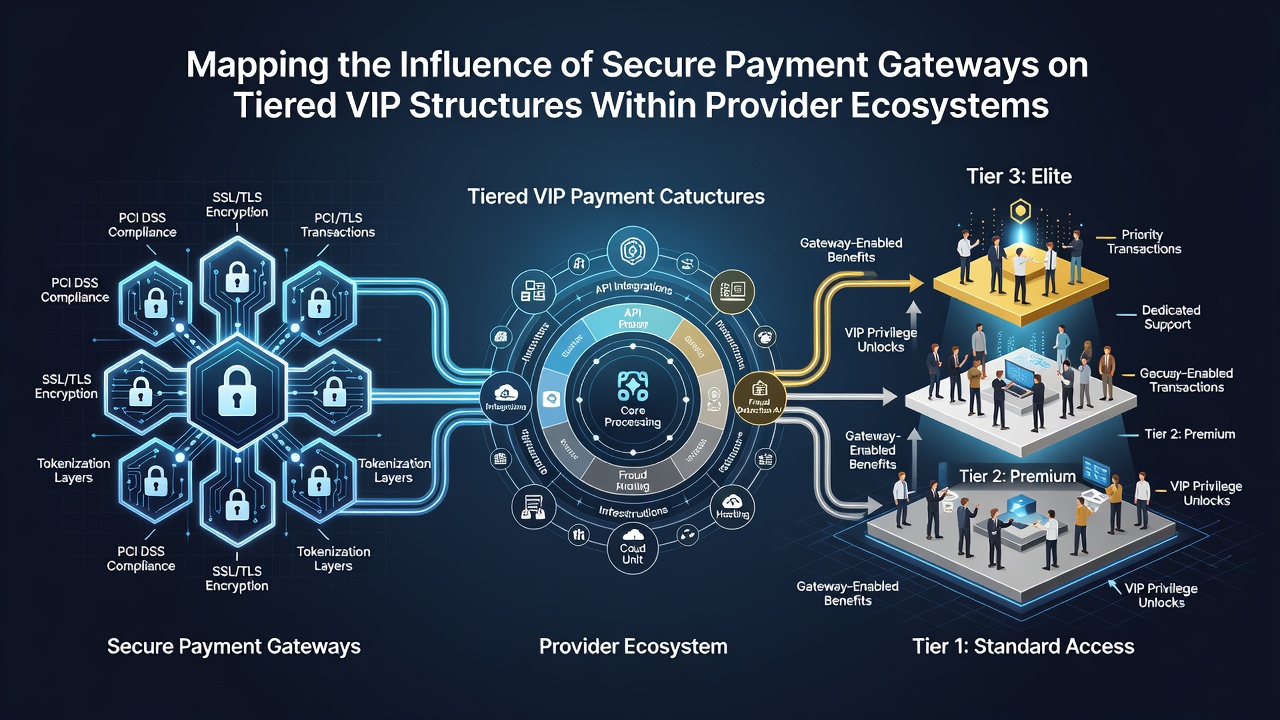
Technical connections between payment processors and backend management software enable real-time synchronization of transaction data with VIP qualification criteria, and observers note that this linkage reduces discrepancies that once delayed tier upgrades while supporting cross-platform recognition of player status when users move between affiliated sites operated by the same provider group.
Case studies from North American operators reveal that gateways incorporating tokenization features permit seamless recurring billing setups, which sustain consistent deposit patterns necessary for maintaining top-tier eligibility during promotional periods.
Security Protocols and Tier Eligibility Rules
Multi-factor authentication layers and behavioral analytics embedded in modern gateways flag suspicious patterns before they affect account balances, and this protective function preserves the integrity of VIP frameworks by ensuring that only legitimate high-value activity contributes to tier advancement metrics.
Research from academic sources on digital transaction security shows that providers adopting end-to-end encryption experience fewer chargeback incidents, which in turn stabilizes the financial models underpinning exclusive VIP benefits such as personalized bonus structures and dedicated account management.
Regional Regulatory Influences on Gateway Adoption
Agencies such as the Nevada Gaming Control Board have updated compliance expectations around payment security, prompting providers to select gateways that support audit trails compatible with tiered reward reporting requirements, and similar directives from authorities in other jurisdictions have accelerated standardization across provider networks.
Figures from industry reports indicate that gateways supporting regional payment methods, including those compliant with European data protection rules, enable providers to expand VIP offerings to international players while maintaining consistent security benchmarks that underpin tier qualification algorithms.
Provider Ecosystem Dynamics and Data Flows
Within interconnected gaming networks, secure gateways function as central nodes that feed verified financial data into centralized loyalty engines, and this architecture allows providers to correlate payment frequency, average transaction size, and geographic origin with specific tier benefits without compromising player privacy standards.
One study released by a Canadian research institution highlighted how tokenized payment integrations reduced processing delays, thereby accelerating the rate at which players reach higher VIP thresholds during peak activity windows.
What's interesting is the way these systems handle edge cases such as currency conversions and cross-border transfers, since robust gateway security ensures that converted amounts retain accuracy for tier calculation purposes across provider-operated platforms.
Conclusion
Secure payment gateways continue to underpin the operational logic of tiered VIP structures by supplying reliable, auditable transaction records that providers use to differentiate player segments and allocate corresponding rewards, and ongoing advancements in encryption and compliance frameworks suggest further refinements in how these ecosystems track and reward sustained engagement.