Transaction Routes Shaping Progressive Benefits in Mixed Reel and Table Gaming Platforms
Carlo Koch · Jul 13, 2026
Transaction Routes Shaping Progressive Benefits in Mixed Reel and Table Gaming Platforms
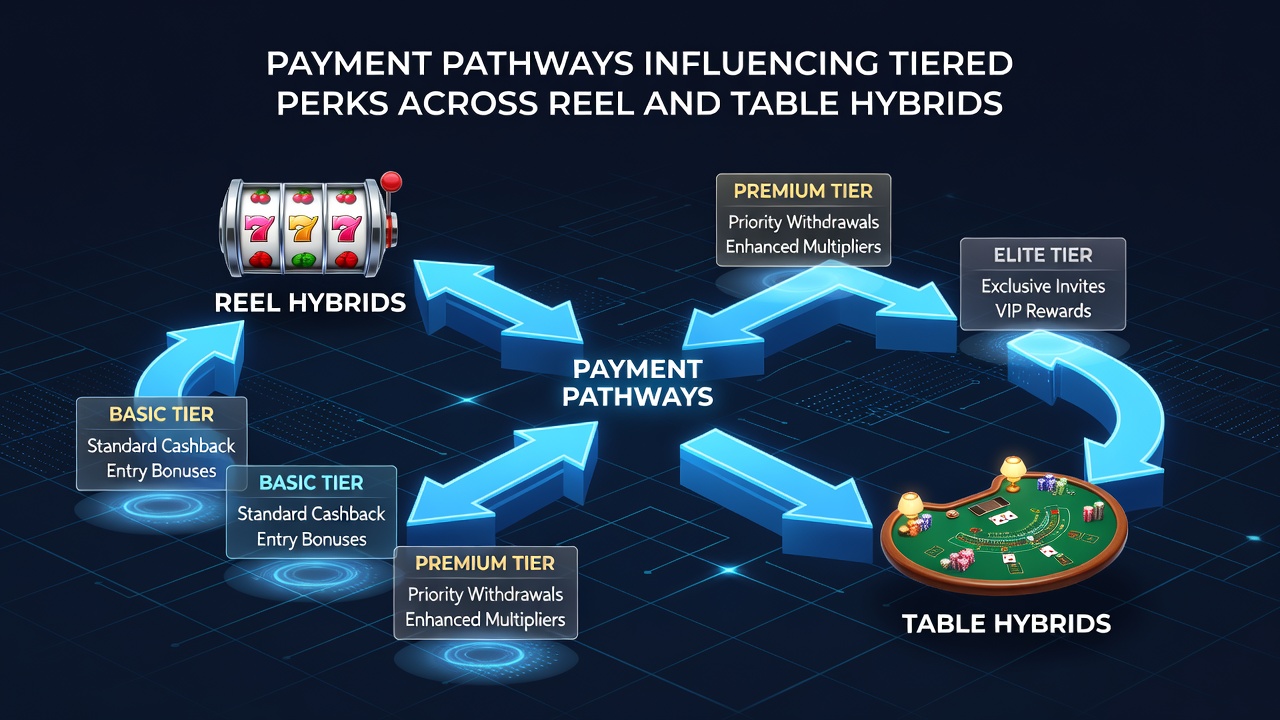
Payment methods in hybrid gaming environments connect directly to how operators structure tiered rewards across slots and table offerings, and data from multiple jurisdictions shows clear patterns in how deposit channels influence point accumulation rates. Operators integrate electronic wallets, bank transfers, and card networks into unified loyalty frameworks where each pathway triggers distinct multipliers or accelerated status climbs, while reel-based machines and live table stations feed into the same player profile. Research from the International Gaming Institute indicates that players using instant transfer services often reach mid-tier status 25 percent faster than those relying on traditional card processing in combined reel and table settings.
Core Mechanics Linking Deposits to Reward Ladders
Hybrid platforms maintain separate ledgers for reel spins and table wagers yet merge them under single loyalty accounts, and payment selection determines the initial classification speed along with ongoing perk eligibility. When a player routes funds through cryptocurrency gateways, systems frequently assign higher base multipliers on both slot coin-in and table drop, whereas slower settlement methods like checks cap the rate at which points convert into tier benefits. Observers note that these mechanics emerged prominently after operators synchronized backend processors in early 2025, allowing real-time tracking across device types without manual reconciliation.
One operator in the Asia-Pacific region reported that wallet-based deposits now account for 68 percent of hybrid play volume, and the associated data shows elevated tier progression among those users compared with card-funded sessions. The same report highlights how table game segments benefit from faster verification loops, while reel machines apply the same payment flags to bonus round triggers.
Regional Data Patterns Emerging in Mid-2026
Figures released by the Nevada Gaming Control Board for the period ending July 2026 reveal that hybrid venues recorded a 14 percent increase in tiered reward redemptions tied to digital wallet activity, and similar trends appear in Australian market summaries from the same quarter. European operators following guidelines from the European Gaming and Betting Association documented parallel shifts, where players selecting bank transfer routes experienced steadier but slower advancement through acknowledgment brackets. These patterns hold across both reel volatility cycles and table minimum bet structures, suggesting the payment layer exerts consistent influence regardless of game category.
Integration Challenges Across Game Categories
Technical teams face distinct hurdles when aligning payment flags with reel bonus architectures versus table side bet systems, and synchronization requires separate rule sets that still funnel into unified player tiers. Reel hybrids often apply payment-based multipliers to free spin awards, while table environments map the same flags onto comped play time or marker limits, yet both contribute to the same status meter. Case examples from multi-site operators show that misaligned processing times between the two categories can delay perk activation by up to 48 hours, prompting several groups to standardize settlement windows across platforms.
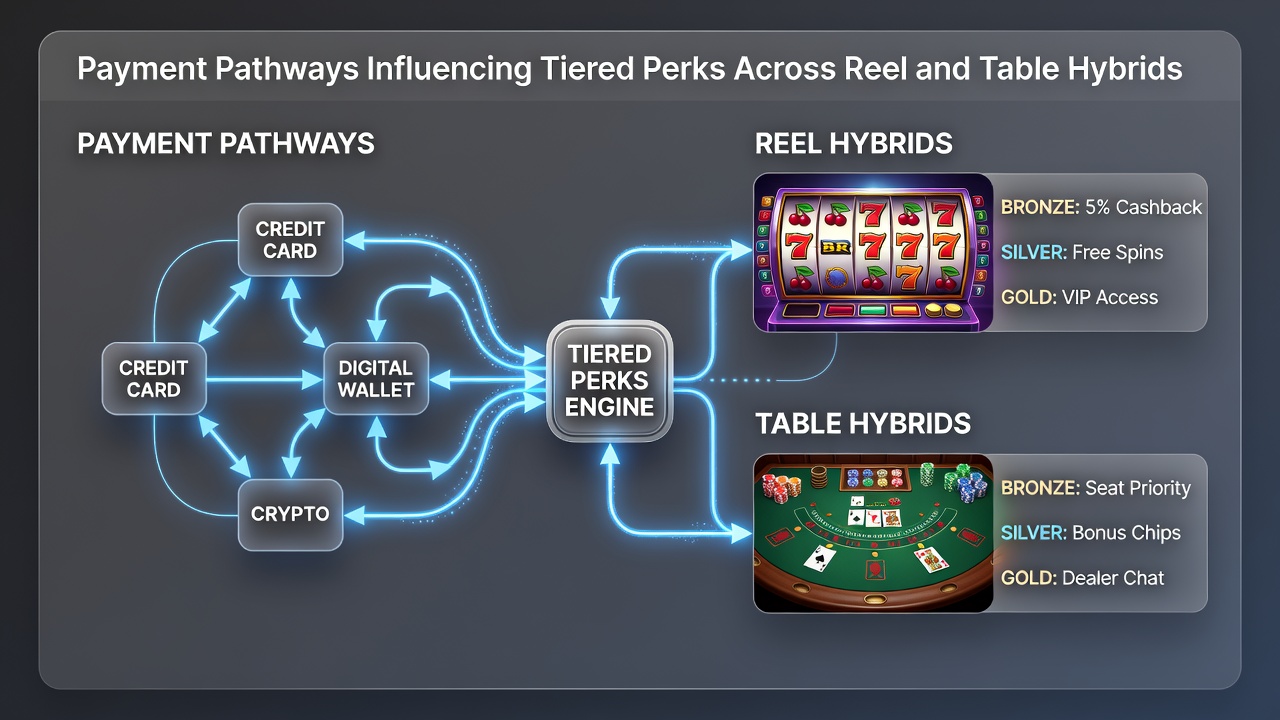
What's interesting is how these delays affect high-volume players who split time between reel sessions and table pits, and the resulting data indicates they often consolidate activity onto the faster payment pathway to maintain momentum toward top-tier thresholds.
Future Adjustments in Loyalty Architecture
Industry reports project continued refinement of payment-to-tier linkages through the remainder of 2026, with emphasis on cross-category consistency and reduced friction for players moving between reel and table environments. Regulatory updates in multiple markets now require clearer disclosure of how deposit methods affect reward rates, and operators have begun publishing simplified matrices that outline the exact multipliers attached to each pathway. Those matrices cover both instant and batch-processed options, ensuring players receive identical information whether they engage primarily with slots or table offerings.
Conclusion
Payment pathways continue to function as primary levers for tiered perk distribution in reel and table hybrid ecosystems, and ongoing data collection from regulatory and industry bodies supports targeted refinements that maintain fairness across game types. Operators who synchronize these systems effectively report higher retention metrics tied to unified player journeys, while players gain clearer visibility into how their chosen transaction routes translate into status and associated benefits. The patterns established through mid-2026 provide a foundation for further standardization without disrupting existing loyalty structures.